
 Posts
Posts


CONY ETF Review: The Bitter Reality of a 100% Dividend Yield
Over the past few months, I have been personally testing and investing in the YieldMax COIN Option Income Strategy ETF (CONY). Intrigued by its eye-popping, triple-digit distribution yield, I wanted to see if this fund could serve as a legitimate high-yield cash flow engine within a broader portfolio, especially riding the wave of the crypto bull market.
However, the reality of holding CONY has been a sharp learning curve. Behind the massive monthly payouts lies a complex financial machinery that has subjected my capital to reverse stock splits, permanent principal erosion, and stomach-churning volatility. While the monthly dividends feel like an immediate win, the Total Return tells a completely different story.
The Bottom Line: CONY is not a traditional dividend fund. It is a high-risk, synthetic derivative product disguised as an income asset.
Many retail investors jump into CONY thinking it's a straightforward proxy for Bitcoin or Coinbase growth with a dividend kicker. In practice, it is a sophisticated vehicle tied directly to Coinbase (COIN) implied volatility, option premium decay, and strict upside caps. Based on my hands-on investment experience, here is an honest, data-driven breakdown of CONY’s mechanics and risks.
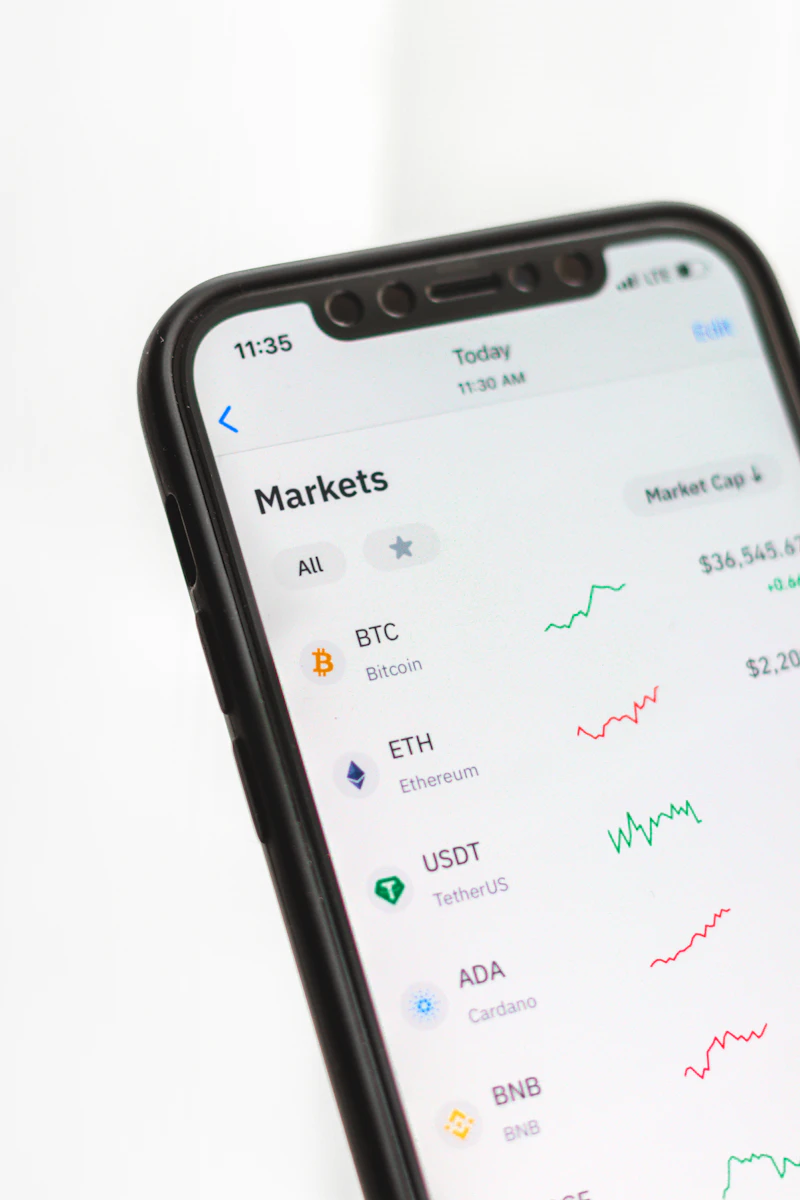
Figure 1: Navigating high-yield derivative products in a volatile crypto market.
1. Understanding the Machinery: How CONY Actually Works
CONY is a single-stock synthetic covered call ETF managed by YieldMax. To understand what you are buying, you must first understand what the fund does not do.
CONY does not own a single share of Coinbase (COIN) stock, nor does it hold actual Bitcoin. Instead, the fund uses options contracts to mimic a long position in Coinbase (Synthetic Long) while simultaneously selling out-of-the-money call options on a weekly or monthly basis to generate income (Premium).
- Establishes synthetic long exposure to COIN via options.
- Sells short-term call options to harvest options premium.
- Distributes the generated premium to shareholders as monthly income.
- The Catch: Caps the fund's upside potential during massive Coinbase rallies.
In short, you are not investing in the long-term compounding growth of Coinbase. You are investing in a strategy that monentizes Coinbase's extreme price volatility and converts that volatility into immediate taxable cash flow.
2. The Danger of the "Yield Trap" and NAV Erosion
A dividend yield hovering around 50% to 100% is incredibly seductive, but it comes with a severe structural flaw known as NAV Erosion (Capital Decay).
The Asymmetric Risk Profile
Because CONY sells call options, its upside is strictly capped. If Coinbase stock surges 30% in a week, CONY might only capture a fraction of that gain (e.g., 3-5%) because the stock gets "called away" at the option's strike price. However, when Coinbase crashes 30%, CONY participates in the entire downward move, mitigated only slightly by the premium collected.
Over time, this creates a structural downward drift in the fund’s Net Asset Value (NAV). When the share price drops too low, the fund is forced to execute a Reverse Stock Split to keep the share price afloat. You end up owning fewer shares at a higher nominal price, realizing that your massive dividend payouts were essentially cannibalizing your initial principal.
Furthermore, checking the official YieldMax Section 19(a) notices reveals that a portion of these distributions often consists of Return of Capital (ROC). This means the fund is literally handing your own money back to you while you get taxed on it—the textbook definition of a financial yield trap.

Figure 2: Analyzing the disparity between nominal dividend yields and true total return.
3. CONY ETF: The Pros and Cons
The Pros
- Unmatched Cash Flow: During periods when the crypto market is roaring or trading sideways with high volatility, the monthly distributions are unparalleled in the equity income space.
- Indirect Crypto Exposure: It offers an alternative, income-centric way to play the secular growth of the digital asset ecosystem via Coinbase's dominant institutional standing.
The Cons
- Capped Upside, Uncapped Downside: You take on 100% of the downside risk of a hyper-volatile tech stock but forfeit the massive compounding gains of a true bull run.
- Vulnerability to Crypto Winters: If Bitcoin stagnates and crypto trading volumes dry up, Coinbase’s implied volatility plummets. This triggers a 'double whammy' where both CONY's share price and monthly distributions drop simultaneously.
4. Frequently Asked Questions (Google SEO Featured Snippet)
Q1: Is the CONY ETF dividend safe and sustainable long-term?
A1: No, it is structurally unsustainable. Because CONY relies on option premiums and occasionally uses Return of Capital (ROC) to maintain payouts, a prolonged downturn or stagnation in Coinbase stock will permanently erode the NAV, inevitably leading to lower distribution amounts and reverse stock splits.
Q2: Should I buy Coinbase (COIN) stock directly or invest in CONY?
A2: If your objective is capital appreciation and capturing the full explosive upside of the crypto bull market, you should buy COIN stock directly. Invest in CONY only if you are willing to sacrifice long-term capital gains in exchange for immediate, high-frequency monthly income, and keep it to a small tactical allocation.
5. Investor Match Portfolio Guide
| Who CONY is Suitable For | Who Should Avoid CONY |
|---|---|
|
• High-risk tolerant income seekers. • Investors using the distributions to fund stable core assets (e.g., VOO, SCHD). • Short-to-medium term crypto cycle traders. |
• Conservative, risk-averse investors. • Long-term buy-and-hold compounding investors. • Retirees looking for a safe, principal-preserving retirement core holding. |
A Practical Investor's Verdict
My final takeaway from skin-in-the-game investing is that "dollar-cost averaging" or "blindly holding" CONY through a bear market is a recipe for wealth destruction. If you decide to allocate capital here, treat it strictly as a tactical satellite position representing less than 5% of your total portfolio.
The smartest way to play CONY is to immediately sweep the monthly distributions out of the fund and redirect them into high-quality, fundamentally sound equities that exhibit real long-term upward compounding. Do not treat CONY as a passive piggy bank—it requires constant monitoring of the underlying crypto cycles.
"There is no free lunch in finance. A 100% yield is simply the market charging you premium for the slow destruction of your principal."
💡 Official Reference & Real-Time Data
- YieldMax Official CONY ETF Fund Page & Schedule
- Yahoo Finance: CONY Real-Time Quote & Total Return Chart
Disclaimer: This post reflects personal investment experiences and is provided strictly for informational and educational purposes. It does not constitute financial, investment, or legal advice. Derivative products carry a high risk of capital loss. Always perform your own due diligence before investing.

.png "Tesla Q2 2025 Analysis: Market Strategy, Financial Results, and Future Outlook")

.png "SharkNinja: A pioneer in Home Appliances")

.png "Tenet Healthcare Corporation Review")
.png "Vertiv Holdings in the Data Center Expansion Era")
.png "What Makes Palantir Unique? A Deep Dive into Its Software Stack")

0 Comment to "CONY ETF Review: Is a 100% Dividend Yield a Covered Call Trap?"
Post a Comment